


There's something special about a clean beach. Clear sand, inviting water, and a well-cared-for shoreline make people want to stay a little longer. Just as importantly, clean spaces tend to encourage respectful behaviour. When a beach looks cared for, visitors are more likely to care for it too.

The opposite is true when bins overflow. Once rubbish begins to accumulate, litter spreads quickly. Visitors enjoy the beach less, councils face rising clean-up costs, wildlife is put at risk, and waste can easily be carried back into the sea by wind and tides.
Quick Navigation
- Where beach rubbish comes from
- Consequences of beach litter
- Long-term coastal damage
- Why bins don't work
- Choosing the right bins for beaches
- Case Studies - How councils tackle litter
- Practical tips keep beaches clean
Unfortunately, this isn't a rare problem. Beach litter continues to affect coastlines across the UK despite the efforts of councils, charities, and thousands of volunteers. According to the Marine Conservation Society's 2025 State of Our Beaches report, volunteers removed more than 603,000 pieces of litter from UK beaches, with an average of 141 items recorded for every 100 metres of coastline surveyed. While this represents a 15% reduction compared with 2024, plastic still accounted for 87% of all litter recorded and was found on 99.5% of beaches surveyed.
Beach litter comes from many different sources, including visitors, tides, rivers, storm drains, and fishing activity. While no single solution can eliminate the problem, well-designed beach bins remain one of the simplest and most effective ways to reduce the amount of waste left behind. When bins are easy to find, easy to use, and emptied regularly, there’s a better chance people will use them, and that helps keep litter out of the environment in the first place.
Why Beach Litter Happens (and Where It Really Comes From)
If beach litter was simply caused by the occasional crisp packet being dropped on the sand, keeping our coastline clean would be relatively straightforward. In reality, litter reaches beaches through a combination of visitors, tides, rivers, weather conditions, and waste management systems that aren't always designed for the way people use beaches. Understanding where litter comes from is the first step towards reducing it.
Visitor behaviour: the on-the-go waste problem
During the summer months, some UK beaches attract tens of thousands of visitors in a single day. With that level of footfall comes an equally impressive amount of waste. Following a heatwave in 2022, for example, around 55,000 people visited Bournemouth beach in a single day, leaving council teams to collect 15 tonnes of rubbish afterwards.

The same types of waste appear time and again:
- Food packaging
- Drink containers
- Disposable BBQs
- Nappies and wipes
- Cigarette butts
- Abandoned beach toys
When beach bins are too small, difficult to find, or already overflowing, people are far more likely to leave rubbish behind. Research consistently shows that people tend to dispose of waste properly when bins are easy to spot, conveniently located, and positioned where waste is actually generated. Put simply, making the right choice the easiest choice really can reduce littering.
Tides and ocean currents: litter that arrives from elsewhere
Not all beach litter starts on the beach. Discarded fishing gear, including ropes, nets and fishing line, was recorded on 93% of beaches surveyed by the Marine Conservation Society in 2025, highlighting the fact that much of the rubbish washing ashore has travelled considerable distances before reaching the coastline.
Marine litter can arrive from a variety of sources, including:
- Lost or abandoned fishing gear
- Waste blown overboard from vessels during bad weather
- Rivers carrying litter from inland towns and cities
- Mismanaged waste transported across international waters by ocean currents
This means that even beaches with excellent waste management can accumulate significant amounts of litter overnight.
Overflowing beach bins: a predictable seasonal challenge
Keeping beach bins from overflowing isn't just a question of emptying them more often. Coastal environments present a unique set of challenges, particularly during the busiest months of the year. Beach bins often have to cope with:
- Huge increases in visitor numbers during weekends, school holidays, and heatwaves
- Bulky items such as disposable BBQs, food packaging, and beach equipment
- Strong coastal winds that can blow waste out of open bins
- Seagulls searching for food and pulling rubbish onto the sand
- Sand contamination, which gradually reduces the usable capacity of bins
Once bins reach capacity, rubbish often starts to collect beside them. Wind, gulls and changing tides can then spread that waste across the beach, making the problem much harder to manage.
Drainage and sewage systems: the hidden contributors
Some beach litter arrives through routes that most visitors never see. After periods of heavy rainfall, litter washed into drains and rivers can eventually reach the coast. Storm overflows can also discharge sewage-related debris into coastal waters. According to the Marine Conservation Society, sewage-related litter was found on 75% of beaches surveyed in 2025, including wet wipes, cotton bud sticks and sanitary products. Although these items often originate many miles inland, they frequently end up washed ashore.
BBQs, picnics, and seasonal spikes
Disposable BBQs remain a recurring problem on many UK beaches. In Brighton & Hove, the council has banned single-use disposable BBQs because of the litter they create, the risk of fires and burns, and the cost of clearing them away.
Picnics generate a surprising amount of bulky waste too. Food packaging, drink cartons, trays and disposable cutlery quickly fill bins on busy days. Once bins are full, rubbish is often left beside them, where it's easily blown across the beach or torn open by gulls.
These pressures become even greater during bank holidays, heatwaves, school holidays and major events, when visitor numbers increase dramatically. Even well-planned waste management systems can struggle to keep up, which is why choosing the right beach bins, and ensuring they're emptied frequently during peak periods, is such an important part of keeping beaches clean.
The Consequences of Beach Litter (for Wildlife, People, and Coastal Communities)
Beach litter is far more than an eyesore. Once waste reaches the coastline, it can affect marine wildlife, damage fragile habitats, create risks for visitors, and place significant financial pressure on local authorities. Much of it doesn't just disappear either. Instead, it breaks down slowly, spreads through the environment, and becomes increasingly difficult to remove.
Marine life: the hidden victims of beach litter
Wildlife is often the first casualty of beach litter. Plastic accounted for 87% of all litter recorded during the Marine Conservation Society's 2025 survey and can remain in the environment for hundreds of years, gradually breaking down into microplastics that are almost impossible to remove.
Ingestion
Seabirds, fish, turtles, and marine mammals frequently mistake plastic fragments, bottle caps, and food packaging for food. Once swallowed, plastic can cause internal injuries, blockages, starvation, and exposure to harmful chemicals.
Researchers examining stranded marine mammals around the British coastline have found microplastics in every animal studied, including seals, dolphins and porpoises.
Entanglement
Discarded fishing line, nets, balloon ribbon, and plastic rings can trap wildlife, restricting movement and causing serious injury. In some cases, animals drown or slowly starve because they're unable to feed properly.
The RSPCA receives around 10 reports every day about animals injured or trapped by litter.
Habitat damage
Marine litter doesn't just harm individual animals. Abandoned fishing gear and plastic debris can smother seabed habitats, disrupt sand dunes, and reduce biodiversity across coastal ecosystems.
Chemical contamination
Cigarette butts remain one of the most common forms of litter found on UK beaches. Although small, they contain thousands of chemicals, including nicotine, arsenic and lead. Research has shown they begin releasing toxic substances into seawater soon after becoming wet, posing risks to fish and other marine life.
Human health: the risks we don't always notice
Beach litter can also create hazards for the people enjoying our coastline.
Sharp objects
Broken glass, damaged metal cans, and discarded BBQ trays can cause cuts, burns, and other injuries, particularly where children are playing or people are walking barefoot.
Water contamination
The presence of sewage-related debris on three quarters of beaches surveyed by the Marine Conservation Society highlights the wider impact of sewage discharges and storm overflows, particularly after heavy rainfall.
Microplastics in seafood
Filter-feeding shellfish, including mussels and oysters, can accumulate microplastics from surrounding waters. Researchers have detected these particles in seafood intended for human consumption, although scientists are still investigating what this means for human health over the long term.
Fire hazards
Disposable BBQs can remain dangerously hot for hours after use, increasing the risk of burns and fires affecting beaches, dunes, and nearby grassland.
Environmental impact: long-term damage to coastal ecosystems
Beaches are constantly shaped by tides, weather, and wildlife, but litter interrupts these natural processes in ways that can last for decades.
Microplastic pollution
As larger plastic items break down, they become increasingly difficult to remove. Microplastics have now been detected throughout UK coastal waters and sediments, demonstrating just how widespread plastic pollution has become.
Bathing water quality
Litter entering rivers and coastal waters often accompanies other forms of pollution, including sewage and urban runoff. Together, these can affect bathing water quality, with consequences for public health, tourism, and local economies.
Damage to coastal habitats
Litter trapped within sand dunes, saltmarshes and other sensitive habitats can damage vegetation, alter natural ecosystems, and reduce biodiversity. These habitats also play an important role in protecting coastlines from erosion and flooding.
Financial impact: the cost of cleaning up
Keeping beaches clean is expensive, and preventing litter is almost always more cost-effective than removing it once it has entered the environment.
Coastal councils often increase waste collections and beach cleaning during the summer to cope with higher visitor numbers, while bulky items such as tents, chairs, and disposable BBQs create additional collection and disposal costs.
There are wider economic benefits too. Clean beaches support tourism, protect local businesses, and help maintain healthy coastal environments that communities rely on.
Why Beach Bins Overflow (And What Makes a Good Beach Bin)
Overflowing beach bins are one of the clearest signs that a waste management system is struggling to keep up. Once a bin reaches capacity, litter rarely stays neatly contained. Wind scatters lightweight packaging across the sand, gulls pull food waste onto the beach, and rising tides can carry rubbish into the sea.
There's another problem too. Research consistently shows that people are less likely to dispose of waste responsibly when an area already appears littered. Once rubbish begins to build up, it often attracts even more litter, making a small problem much harder to control. For councils, overflowing bins don't necessarily indicate poor management. More often, they reflect the unique challenges of maintaining busy coastal environments.
Beach waste is different from everyday street litter
Unlike parks or town centres, visitor numbers at the coast can change dramatically in a matter of hours. A quiet beach can become crowded during a heatwave, bank holiday or school holiday, generating far more waste than standard litter bins were designed to handle.
Beach rubbish is also bulkier than typical street litter. Pizza boxes, disposable BBQs, buckets and spades, inflatables, and picnic packaging all take up valuable space, meaning bins can fill surprisingly quickly even when the overall weight of rubbish is relatively low.
The coastal environment creates extra challenges
Even well-designed bins have to contend with conditions that most street bins never face. Strong coastal winds can blow lightweight litter out of open bins or scatter rubbish left beside them. Seagulls quickly learn to associate bins with food, pulling waste onto the sand, while wind-blown sand gradually reduces the amount of usable space inside the bin and can also interfere with hinges and locking mechanisms over time.
Salt spray, constant exposure to sunlight, and harsh weather also place extra demands on outdoor infrastructure, which is why purpose-built beach bins are typically manufactured using corrosion-resistant materials and UV-stabilised finishes.
Location matters just as much as the bin itself
Even the best beach bin won't perform well if it's installed in the wrong place. Positioning bins close to beach entrances, cafés, picnic areas, and other high-footfall locations makes it easier for visitors to dispose of waste before litter becomes a problem.
During peak periods, larger-capacity bins and more frequent collections can help prevent overflow. Some councils also use smart bins with fill-level sensors, allowing collection teams to prioritise bins that need emptying first.
Choosing the right beach bin
Because coastal environments place such different demands on waste infrastructure, standard street bins aren't always the best solution.
Purpose-designed beach bins often include features such as:
- Larger capacities for busy locations
- Enclosed or gull-resistant openings
- Corrosion-resistant materials
- Secure anchoring systems for exposed sites
- Smart monitoring technology to optimise collections.
Choosing the right combination of design, location and maintenance helps reduce overflowing bins, improve the visitor experience and prevent litter from reaching the coastline in the first place.
What to Consider When Choosing Beach Bins
Whatever type of bin you choose, there are several factors worth considering before procurement:
- Capacity: Is the bin large enough to cope with peak visitor numbers?
- Durability: Is it designed to withstand salt spray, UV exposure, wind, and sand?
- Wildlife resistance: Will the design discourage gulls and other animals from accessing waste?
- Stability: Can it be securely anchored or installed in exposed locations?
- Ease of servicing: Can crews empty and maintain it quickly and safely?
- Visibility: Is the location convenient for visitors and collection crews?
- Future-proofing: Could it accommodate smart monitoring technology if operational needs change?
-
Sustainability: Does it offer a long service life and, where possible, incorporate recycled or recyclable materials?
Real-World Examples: How UK Councils Are Tackling Beach Litter
Every stretch of coastline has its own challenges. A busy tourist resort faces very different pressures from a quiet rural beach, so it's no surprise that there's no single solution to beach litter.
Across the UK, councils are testing a range of approaches to reduce litter, improve visitor behaviour, and make waste collections more efficient. While each strategy is different, the most successful schemes tend to have one thing in common: they combine well-designed infrastructure with good planning, reliable data, and public engagement.
Here are three examples of how local authorities are putting those principles into practice.
Bournemouth, Christchurch and Poole: Using data to target litter hotspots
Like many popular seaside destinations, Bournemouth, Christchurch and Poole (BCP) experiences significant increases in litter during the busy summer months. Rather than just installing more bins, the council wanted to understand exactly where litter was accumulating and why.
Working alongside environmental charity Hubbub and technology company Ellipsis Earth, BCP Council used drones and artificial intelligence to map 47 different categories of litter across beaches and surrounding public spaces.
The findings allowed the council to take a much more targeted approach. Bins were repositioned in key locations, cleaning schedules were adjusted to reflect actual demand, and behavioural campaigns including eye-catching "disco bins" and glow-in-the-dark bins were introduced to encourage people to dispose of their waste responsibly.
The results were undeniable. Areas where interventions were guided by the survey data reported an average 75% reduction in litter, with some locations seeing reductions of up to 90%.
Procurement takeaway: Good data can be just as valuable as buying additional bins. Understanding where litter accumulates helps councils invest in the right infrastructure, in the right places, at the right time.
Southend-on-Sea: Combining infrastructure with community action
Managing more than seven miles of coastline requires more than regular bin emptying. Southend-on-Sea combines daily mechanical beach cleaning, routine litter picking, and frequent waste collections throughout the busy summer season with initiatives designed to encourage visitors to take greater responsibility for keeping the coastline clean.
Through its "My Beach is Your Beach" campaign, the council has introduced anti-litter messaging, litter-bin flags, and free litter bags for beachgoers. It also supports community beach cleans by providing advice, equipment, and practical assistance to volunteer groups. The result is a strategy that combines operational efficiency with getting the public on board, recognising that long-term improvements depend on both effective waste management and positive visitor behaviour.
Procurement takeaway: Even the best waste infrastructure works more effectively when it's supported by clear communication and community involvement. Beach bins are just one part of a wider litter management strategy.
Brighton & Hove: Building partnerships to protect the coastline
Brighton & Hove has taken a collaborative approach, working alongside local organisations such as Leave No Trace Brighton and Sea Lanes Brighton to tackle beach litter and reduce plastic pollution.
Regular volunteer beach cleans help remove litter from the coastline while also raising awareness of the environmental impact of waste. The information collected during these clean-up gives the council valuable insight into the types of litter most commonly found, helping to inform future campaigns and local waste management priorities.
By combining practical action with education and community engagement, Brighton & Hove demonstrates how partnerships can strengthen council-led initiatives and encourage long-term behaviour change.
Procurement takeaway: Community partnerships don't replace well-designed waste infrastructure, but they can complement it by providing valuable local knowledge and encouraging residents and visitors to play an active role in keeping beaches clean.
What these examples tell us
Despite their different approaches, each council reached the same conclusion: cleaner beaches depend on combining the right infrastructure with good planning, reliable data and public engagement.
Practical Ways Beach Visitors Can Help Keep Beaches Clean
Even the best beach bins and waste management systems can only do so much. Keeping beaches clean ultimately depends on the people who use them, and a few simple habits can make a real difference.
Take your rubbish home if bins are full
If there's one action that has the biggest impact, it's this. When bins are already full, leaving rubbish beside them often creates a much bigger problem. Wind scatters litter across the beach, gulls tear open bags, and tides can carry waste out to sea before it's collected.
Many councils now encourage visitors to take their rubbish home if bins have reached capacity. Southend-on-Sea's "Your Rubbish, Your Responsibility" campaign is a good example of this simple but effective approach.
Think twice before using disposable BBQs
Disposable BBQs create large amounts of waste and can stay dangerously hot for hours after use. If you use one:
- Let it cool completely.
- Take it home if nearby bins are full.
- Never bury it in the sand.
Choose reusables where you can
Single-use plastics still make up much of the litter found on UK beaches. Swapping a few everyday items for reusable alternatives is one of the easiest ways to reduce waste.
- Water bottle
- Coffee cup
- Food container
- Shopping bag
- Beeswax wrap
Keep lightweight rubbish secure
Coastal winds can carry away wrappers, napkins and plastic bags long before you reach a bin. To avoid accidental littering:
- Tie rubbish bags securely.
- Keep waste under heavier items.
- Don't leave wrappers loose on towels.
- Replace bottle lids after use.
Don't feed seagulls
Feeding gulls encourages them to associate people, and bins, with food. Once that happens, they're much more likely to pull rubbish from bins and scatter litter across the beach.
Dispose of cigarette butts properly
Cigarette butts contain thousands of chemicals and are among the most common items collected during beach cleans. If you smoke:
- Use designated cigarette bins.
- Carry a pocket ashtray.
- Never bury cigarette ends in the sand.
Take natural waste home too
Fruit peel and leftover food may be biodegradable, but they still attract wildlife and can take much longer to decompose than many people realise. If you brought it with you, it's best to take it home.

Join a beach clean - or just do your own
Beach cleans show how much can be achieved when people work together. In 2025, more than 14,500 volunteers removed over 600,000 items of litter through the Marine Conservation Society's Beachwatch programme.
You don't need to join an organised event to help. Taking a bag with you and spending ten minutes collecting litter before you leave can make a genuine difference.
Why Beach Bins Matter (And Why They're More Than Just Bins)
Well-designed beach bins are only part of the solution. When they're supported by good planning and responsible visitor behaviour, they help protect wildlife, reduce litter, and create cleaner, more welcoming coastlines.
Choosing the Right Bin for Your Coastline
After understanding the causes of beach litter and the challenges coastal environments present, the final step is choosing waste bins that are designed to cope with them.
Not every beach requires the same solution. Visitor numbers, exposure to the elements, servicing schedules and the surrounding environment all influence which type of bin will perform best.
For Busy Seaside Resorts
If your beach experiences heavy visitor numbers during weekends, school holidays or the summer season, prioritise:
- Large-capacity bins (120–240 litres)
- Durable, corrosion-resistant construction
- Secure locking systems
- Easy emptying for collection crews
Recommended option: Double Wheelie Bin Cover
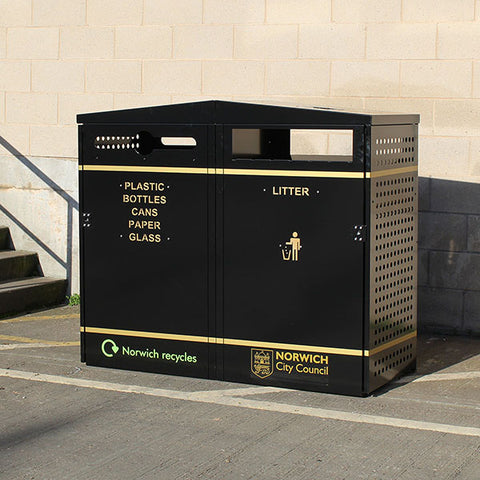
Ideal for promenades, beach entrances and high-footfall tourist locations where waste volumes are highest.
For Exposed Coastal Locations
Beachfront installations are constantly subjected to:
- Salt spray
- Strong winds
- UV exposure
- Sand abrasion
Look for bins manufactured from marine-grade or corrosion-resistant materials with robust fixings that can be securely anchored.
Recommended option: External Hooded Recycling Bin
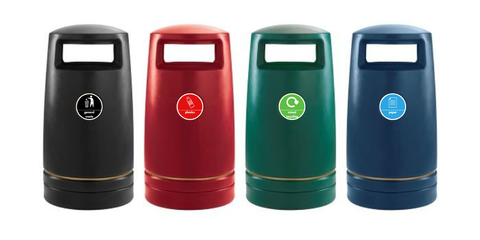
Designed to withstand harsh coastal conditions while maintaining an attractive appearance.
For Wildlife-Prone Areas
Where gulls are a persistent problem, choose bins that minimise access to waste.
Features to look for include:
- Hooded openings
- Restricted apertures
- Enclosed waste chambers
- Secure closing mechanisms
These designs help prevent birds from pulling rubbish onto the beach.
Recommended option: Slimline Outdoor Litter Bin - 90 Litre
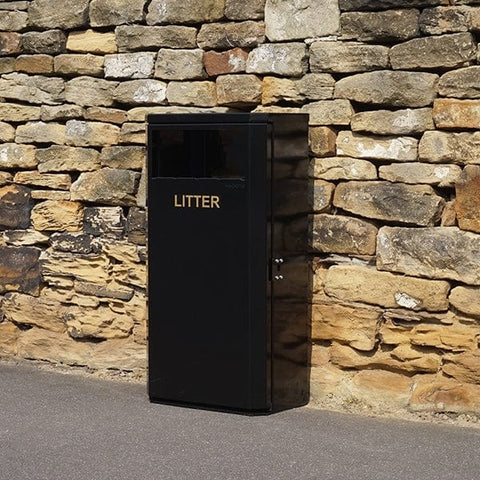
Suitable for beaches where seagulls regularly scavenge around litter bins.
Features Worth Prioritising
Regardless of which beach bin you choose, consider whether it offers:
- Appropriate capacity for peak visitor numbers
- Corrosion-resistant materials
- UV-stable finishes
- Secure ground fixing
- Easy servicing
- Anti-vandal design
- Wildlife-resistant openings
- Compatibility with your existing waste collection process
Choosing the right bin isn't simply about capacity. A well-specified beach bin reduces overflowing waste, lowers maintenance costs, improves visitor experience and helps prevent litter from reaching the marine environment in the first place.
Check out our downloadable Beach Waste Management Guide.
Need help selecting the right beach bin?
We supply a wide range of outdoor litter bins suitable for beaches, promenades and coastal parks. We are happy to help you choose the right capacity or material for your location.


